Bamboo vs Eucalyptus Sheets for Hot Sleepers: Which Fabric Cools Better?
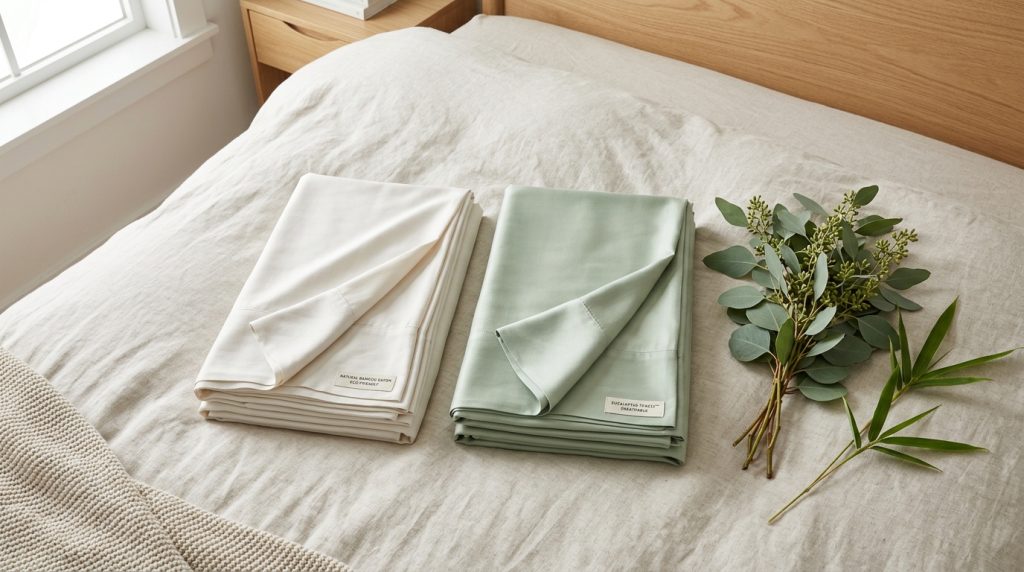
Night sweats disrupt restful sleep for hot sleepers. Comparing bamboo vs eucalyptus sheets for hot sleepers comes down to moisture-wicking speed, thermal breathability, and fabric texture. Both natural plant fabrics outperform traditional cotton in temperature regulation.
Bamboo lyocell sheets offer a silky smooth feel with high moisture absorption. Eucalyptus Tencel sheets deliver a crisp, cool touch with fast moisture evaporation.
Feature Comparison: Bamboo Viscose vs Eucalyptus Tencel
While both fabrics originate from fast-growing plants, manufacturing processes create distinct performance traits.
| Performance Metric | Bamboo Sheets (Lyocell / Viscose) | Eucalyptus Sheets (Tencel Lyocell) |
|---|---|---|
| Raw Material Source | Moso Bamboo Grass | Eucalyptus Wood Pulp |
| Moisture Wicking | Absorbs up to 40% more water than cotton | Evaporates moisture 50% faster than cotton |
| Cooling Hand Feel | Silky, heavy drape, cool initial touch | Ultra-smooth, crisp, cool-to-touch surface |
| Breathability | High cross-sectional micro-gaps | Exceptional nanofibril breathability |
| Environmental Impact | Renewable grass; chemical closed-loop vary | 99% closed-loop solvent recovery (Lenzing) |
| Price Benchmark | $100 – $180 per sheet set | $120 – $220 per sheet set |
| Fabric Care | Gentle cycle, low heat, mild soap | Gentle cycle, cold water, line dry |
How Temperature Regulation Works in Cellulosic Fabrics
Body heat accumulates under heavy bedding overnight. Traditional cotton traps humidity inside fiber cores, causing damp, sticky sheets.
Plant-derived lyocell fibers use micro-channel structures. These tiny channels pull sweat from skin instantly and move moisture to the outer fabric surface.
As air flows across your bed, trapped moisture evaporates rapidly. This continuous evaporative cooling maintains lower skin surface temperatures throughout the night.
Bamboo Fabric Processing: Viscose vs Lyocell
Not all bamboo bedding performs identically. Manufacturing methods alter fiber durability and chemical purity.
Bamboo Viscose
Viscose processing uses sodium hydroxide to dissolve bamboo pulp. The resulting fiber feels soft against skin.
However, older viscose processing methods generate chemical waste unless processed in closed-loop facilities.
Bamboo Lyocell
Modern bamboo lyocell uses non-toxic organic solvents in a closed-loop system.
It retains natural strength better than viscose. Bamboo lyocell sheets resist pilling through dozens of wash cycles.
Eucalyptus Tencel Fiber Technology
Eucalyptus bedding relies primarily on Tencel Lyocell produced by Austria-based Lenzing AG.
Lenzing harvests eucalyptus trees grown on certified sustainable farms. Eucalyptus requires 80 percent less land and significantly less water than conventional cotton.
The closed-loop process recycles 99.8 percent of processing solvents and water.
Tencel fibers feature a smooth surface under microscopic inspection. This reduces skin friction, making eucalyptus sheets ideal for sensitive skin.
Weave Types: Percale vs Sateen in Cooling Sheets
Weave construction influences air permeability as much as fiber origin. Both bamboo and eucalyptus sheets come in percale and sateen weaves.
Percale weave uses a one-over, one-under grid pattern. It produces a matte, crisp sheet with open structure for maximum airflow.
Sateen weave uses a three-over, one-under pattern. It yields a silky sheen and heavier drape that feels warm initially but regulates heat well.
For maximum summer cooling, choose a percale weave in either bamboo or eucalyptus fabric.
Moisture-Wicking and Night Sweat Performance
Hot sleepers experience two separate sleeping issues: body heat retention and moisture accumulation.
Heat Dissipation Comparison
Bamboo sheets drape closely against your body, offering a soothing, heavy drape. The fabric absorbs body heat quickly upon contact.
Eucalyptus sheets lay lighter over skin. Their open structure allows maximum air exchange, keeping heavy hot air moving off your bed.
Sweat Evaporation Speed
Bamboo pulls heavy liquid sweat away from skin into the fabric core effectively.
Eucalyptus discharges trapped moisture out into room air rapidly. Eucalyptus sheets dry faster during humid summer nights.
Thermal Conductivity and Touch Temperature
Laboratory testing measures thermal conductivity of bedding materials. Initial cooling tracks cool touch feel when skin contacts fabric.
Eucalyptus Tencel exhibits a cool touch rating. Skin feels immediately refreshed upon climbing into bed.
Bamboo lyocell exhibits high moisture capacity. It absorbs sweat for hours without feeling wet against skin.
Allergy and Dust Mite Resistance Comparison
Allergies interfere with restful sleep. Moist bedding creates ideal environments for dust mites and bacteria.
Bamboo fibers contain natural properties that repel bacteria growth. Moisture absorption keeps bed environments dry, reducing dust mite colonies.
Eucalyptus Tencel smooth surfaces discourage micro-organism growth naturally. Without moisture retention, bacteria cannot thrive on sheet surfaces.
Both fabrics offer excellent protection for asthmatic or allergy-prone sleepers.
Pillowcase Performance Within Cooling Sets
Pillowcases absorb facial heat and head sweat throughout the night.
Eucalyptus pillowcases stay dry under warm facial skin. Fast evaporation prevents nighttime pillow overheating.
Bamboo pillowcases feel smooth against facial skin. They reduce friction drag across sensitive cheeks and foreheads.
Durability and Strength Comparison
Durability matters when investing in premium cooling sheets. Both fabrics hold up well under proper washing habits.
Eucalyptus Tencel fibers possess high wet strength. They resist tearing and stretching when wet in the washing drum.
Bamboo lyocell fibers are strong, but require gentle laundry handling. Avoid rough spin cycles to protect long bamboo strands.
Stain Removal and Laundry Maintenance Tips
Body oils and sweat can stain light cooling bedding over time. Proper stain care preserves fabric softness.
Pre-soak yellow stains in cold water with mild liquid soap. Avoid chlorine bleach, which weakens plant fibers.
Wash cooling sheets separately from rough denim or zippered items to prevent snagging.
Cost and Long-Term Value Comparison
While cooling sheets require a higher initial investment than basic cotton, their long-term comfort value pays off.
High quality bamboo lyocell sheets maintain soft texture over three to five years of weekly use.
Eucalyptus Tencel sheets resist fiber thinning and surface piling, offering long lasting summer cooling performance.
Fabric Feel and Hand Preference
Texture preferences vary among hot sleepers.
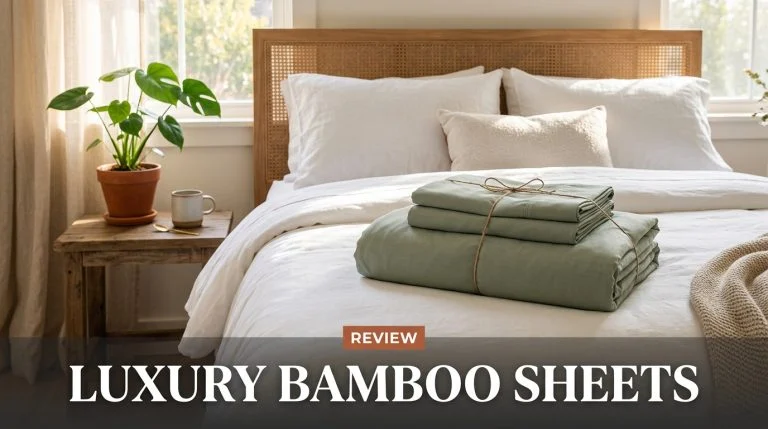
Choose Bamboo if you enjoy a buttery, liquid-like drape similar to heavy silk. It feels cool against skin and wraps your body smoothly.
Choose Eucalyptus if you prefer a crisp, airy, hotel-sheet texture with a cool matte finish.
Washing and Care Guidelines for Cooling Sheets
Cellulosic fibers weaken when wet. Proper washing protects cooling properties for years.
Washing Bamboo Sheets
Machine wash in cold water using a delicate cycle and mild liquid detergent. Avoid bleach and fabric softeners.
Tumble dry on low heat or line dry outdoors. Remove sheets quickly to prevent deep wrinkles.
Washing Eucalyptus Sheets
Use cold water and a gentle cycle. Choose a mild detergent free from optical brighteners.
Line drying preserves Tencel fiber smoothness best. If using a dryer, select air fluff or low heat.
Pros and Cons Summary
Bamboo Sheets
- Pros: Exceptional moisture absorption, silky luxurious drape, naturally hypoallergenic, softer after every wash.
- Cons: Heavier fabric drape, prone to wrinkling, requires low-heat drying.
Eucalyptus Sheets
- Pros: Superior moisture evaporation, ultra-cool surface feel, environmentally sustainable closed-loop production, zero static.
- Cons: Higher average price point, delicate when wet, fewer color choices available.
Final Verdict: Which Should Hot Sleepers Buy?
Pick Bamboo sheets if you sweat heavily at night and prefer a silky, heavy drape that absorbs moisture continuously.
Pick Eucalyptus Tencel sheets if you want maximum cooling air exchange, fast drying speed, and a crisp, light texture.
Frequently Asked Questions
Are bamboo sheets cooler than eucalyptus sheets?
Both fabrics sleep significantly cooler than cotton. Eucalyptus dries slightly faster, while bamboo absorbs liquid sweat more aggressively.
Do eucalyptus sheets shrink after washing?
Eucalyptus Tencel shrinks 2 to 3 percent on first wash if washed in hot water. Always use cold water cycles.
Are bamboo sheets good for night sweats?
Yes. Bamboo fibers absorb up to 40 percent more moisture than cotton without feeling damp.
How long do eucalyptus Tencel sheets last?
High-quality Tencel sheets last three to five years with gentle laundering care.
Which fabric is more eco-friendly, bamboo or eucalyptus?
Eucalyptus Tencel produced by Lenzing uses less water and achieves a certified 99.8% solvent recovery rate.
Do bamboo sheets pill over time?
Short-staple bamboo viscose can pill under heavy friction. High-grade bamboo lyocell resists pilling effectively.