GSM & Thread Count Picker: Find the Right Spec for Your Fabric
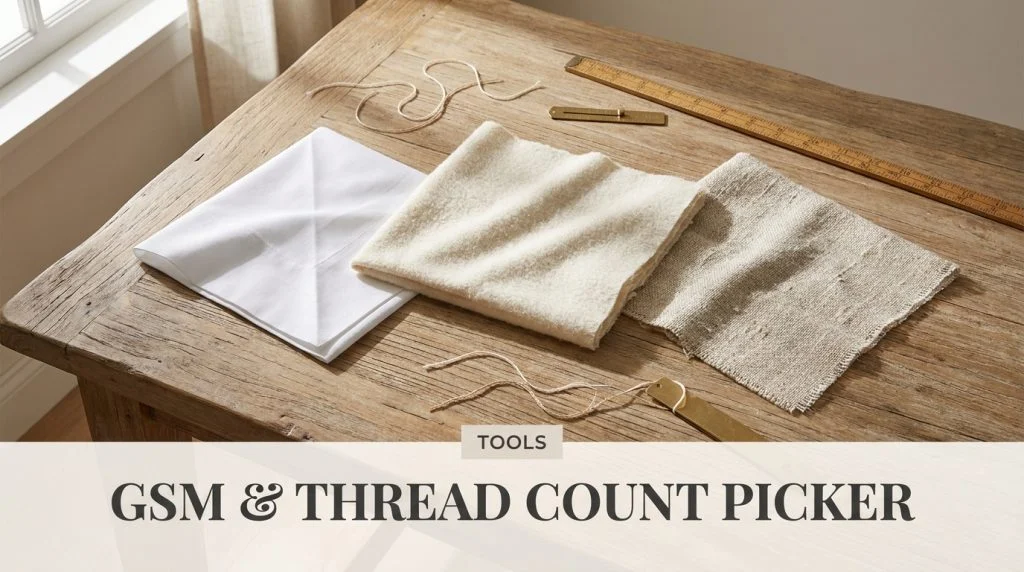
Thread count and GSM are not the same measurement. They don’t even apply to the same fabrics.
Thread count only makes sense for woven cotton sheets. GSM (grams per square meter) is the right spec for microfiber, flannel, linen, and bamboo.
Answer two quick questions below and get the spec range that actually matches your fabric.
GSM & Thread Count Picker
Answer two quick questions to get the right spec for your fabric — GSM and thread count aren’t interchangeable.
Your recommendation
Pick a fabric and a priority above to see your recommended spec.
What Thread Count Actually Means
Thread count counts the threads woven into one square inch of cotton fabric. It only tells you something useful on woven cotton sheets, like percale and sateen.
Percale sheets typically run 200-400 thread count. That weave uses a simple over-under pattern, which naturally caps how high the count can climb.
Sateen sheets run higher, typically 300-600 thread count. Its weave floats more thread across the surface, letting manufacturers push the number up while keeping the fabric workable.
Past roughly 800 thread count, numbers usually inflate through multi-ply yarn tricks. Manufacturers twist several thin strands into one counted “ply,” so the label climbs without the fabric actually getting finer or softer.
What GSM Actually Means (and Why It’s Not Interchangeable)
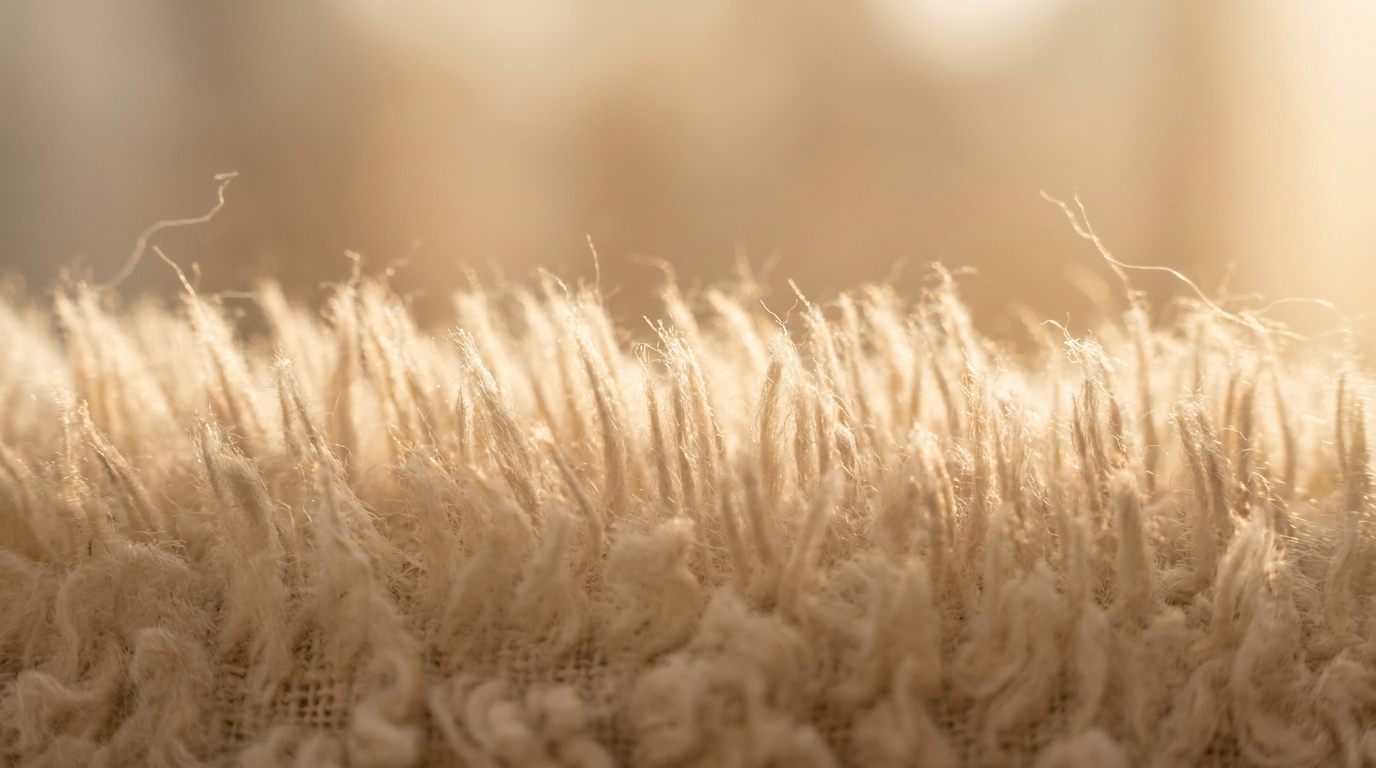
GSM measures the weight of fabric per square meter, regardless of weave structure. It works for fabrics where thread-counting doesn’t apply cleanly: microfiber, flannel, linen, and bamboo.
Microfiber runs light, typically 90-120 GSM. It’s a synthetic weave, so a thread count number would be meaningless here.
Flannel splits into two tiers. Lightweight flannel sits around 150-165 GSM, while heavyweight cold-weather flannel runs 170-225+ GSM.
Linen ranges widely, from 100 to over 200 GSM depending on weight. Bamboo is genuinely uncertain — sources conflict, citing anywhere from 120-140 GSM to 250-400 GSM depending on weave and blend. Treat any single bamboo GSM number as a red flag.
Never compare a thread count number to a GSM number directly. They measure different things on different fabrics, and doing so gives you a meaningless comparison.
Quick-Reference Table: Fabric Type, Spec, and Range
| Fabric Type | Correct Spec | Verified Range |
|---|---|---|
| Cotton (percale) | Thread count | 200-400 TC |
| Cotton (sateen) | Thread count | 300-600 TC |
| Cotton (flannel-weight) | Thread count | 600-800 TC |
| Microfiber | GSM | 90-120 GSM |
| Flannel (lightweight) | GSM | 150-165 GSM |
| Flannel (heavyweight) | GSM | 170-225+ GSM |
| Linen | GSM | 100-200+ GSM |
| Bamboo | GSM | 120-400 GSM (sources vary widely) |
Use this table alongside the tool above. If you already know your fabric, just find its row and shop within that range.
Why Higher Thread Count Isn’t Always Better
A “1200 thread count” label sounds impressive. But cotton fiber has a physical spinning limit — a single strand can only get so fine before it’s too weak to weave.
So once a thread count claim passes 800, it’s almost always multi-ply construction, not finer yarn. A 2-ply 300-count sheet gets counted and marketed as “600 thread count.” Yet it feels identical to a well-made single-ply 300 sheet.
Some inflated multi-ply sheets even feel heavier and less breathable than a good 300-count single-ply sheet. Higher isn’t a quality signal past this point — it’s a labeling trick worth knowing about before you pay a premium for it.
Matching Spec to Priority
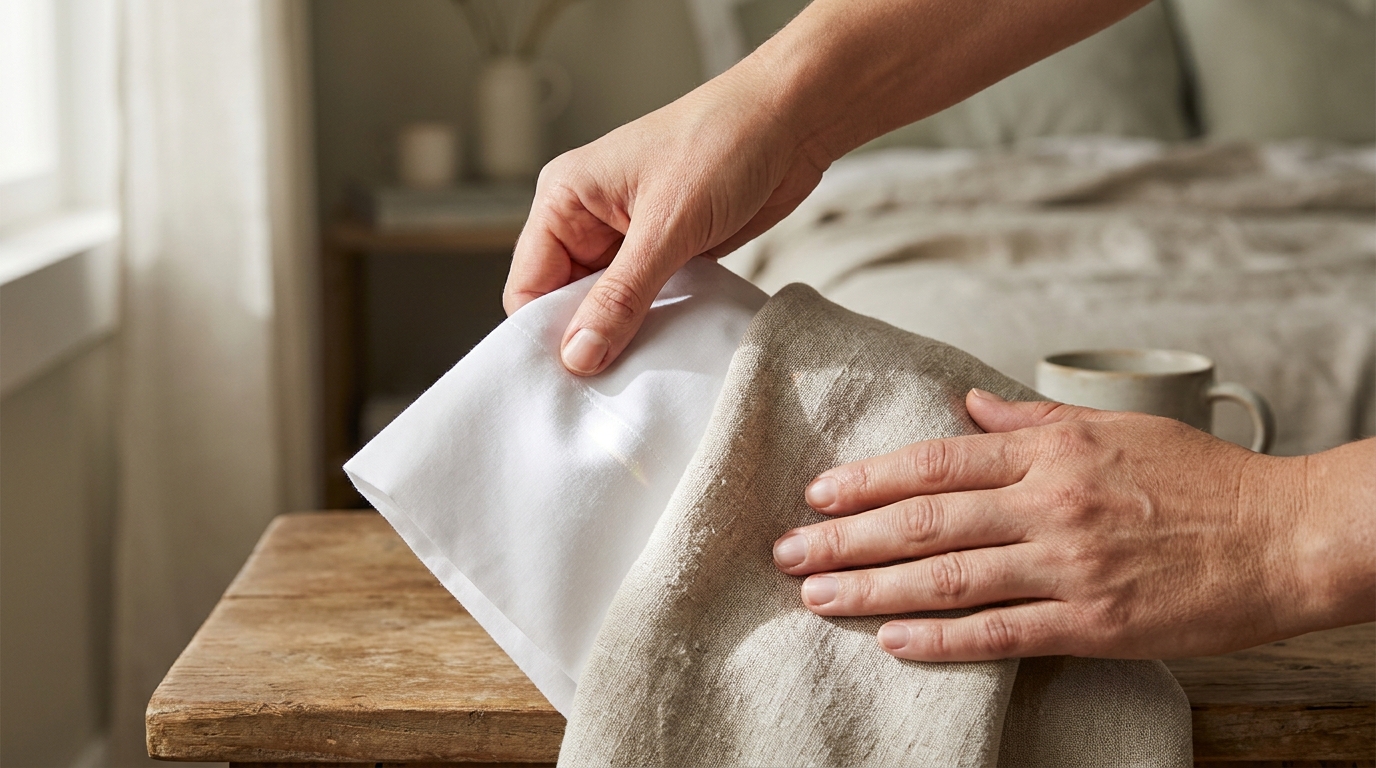
Your priority should drive your pick, not the biggest number on the package. Crisp and cool sleepers want percale in the 200-400 TC range, since its looser weave breathes best.
Soft and silky sleepers want sateen, typically 300-400 TC for the sweet spot. Warmth-focused sleepers should look at flannel-weight cotton (600-800 TC) or heavyweight flannel (170-225+ GSM).
Budget shoppers get the most value from mid-range percale (200-300 TC) or basic microfiber (90-120 GSM). Both perform well without paying for inflated multi-ply marketing numbers.
Beyond Spec: Weave and Fiber Quality Matter Too
Spec numbers only tell part of the story. Two sheets with the same thread count can feel completely different depending on the cotton fiber used.
Long-staple cotton, like Egyptian or Pima, spins into smoother, stronger yarn. It outperforms short-staple cotton even at a lower thread count.
Weave finish matters too. A sateen weave feels silkier at the same thread count as percale, since more thread surface touches your skin.
For synthetic fabrics like microfiber, fiber denier (thickness) affects softness as much as GSM does. A low-GSM microfiber sheet made from fine denier fiber can still feel plush.
When you’re comparing two products at the same spec number, check the fiber type and weave name before deciding. The number alone doesn’t guarantee comfort.
Frequently Asked Questions
What thread count should I buy for cotton sheets?
Aim for 200-400 TC percale or 300-400 TC sateen. Above 800 TC, you’re usually paying for marketing, not quality.
Do higher-GSM sheets always feel better?
Not necessarily. GSM measures weight, not softness or breathability, so a heavier fabric can actually sleep hotter depending on the weave and fiber.
What’s the best GSM for sheets?
It depends on fabric. Microfiber sits at 90-120 GSM, lightweight flannel at 150-165 GSM, and heavyweight flannel at 170-225+ GSM. There’s no single “best” number across fabric types.
What’s the actual difference between thread count and GSM?
Thread count measures threads per square inch of woven cotton. GSM measures fabric weight per square meter, and applies to microfiber, flannel, linen, and bamboo instead.
Is a higher thread count always softer?
No. Past roughly 800 TC, most sheets use multi-ply yarn tricks that inflate the label without adding real softness or durability.
What GSM should I look for in bamboo sheets?
Be cautious here. Sources disagree, citing bamboo GSM anywhere from 120-140 up to 250-400 depending on weave and blend. Treat any single precise number with skepticism.
Once you’ve picked your ideal spec, our how to choose bed sheet thread count guide breaks down weave types in more depth. And bamboo vs. cotton sheets compares the two fabrics head to head.