Hippie Bedspreads: A Buying Guide to Styles, Fabrics, and Where to Shop

Hippie bedspreads cover a wide range of looks: mandala prints, tie-dye patterns, and tapestry-style throws inspired by 1960s and 1970s bohemian decor. Most are sold by independent makers and marketplaces, not a single dominant brand.
This guide breaks down the main styles, the fabrics to look for, and where these bedspreads are genuinely sold. We researched real listings across the marketplaces that actually carry this style before writing.
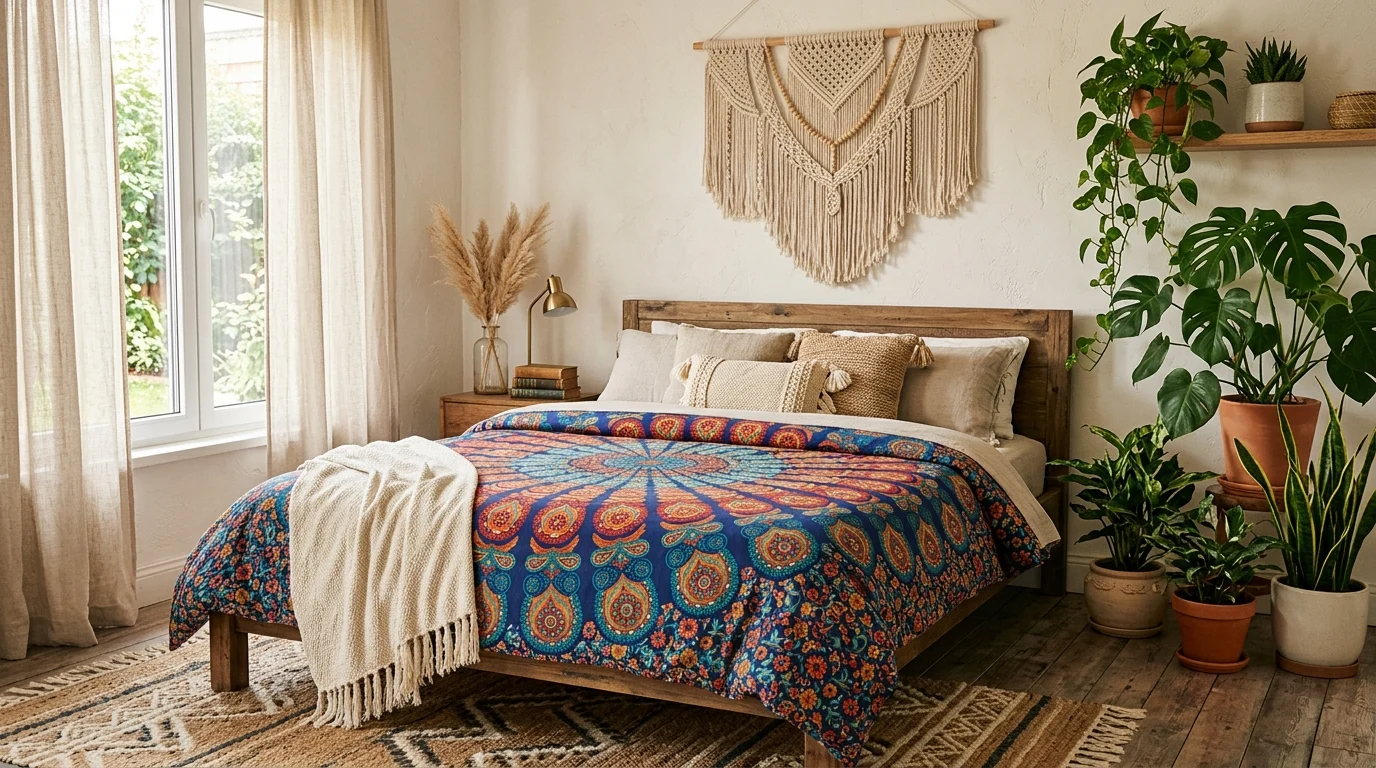
What Counts as a Hippie Bedspread?
The term covers bedspreads and oversized throws built around bold, free-form patterns. Think mandala circles, rainbow tie-dye, paisley, and Indian block-print florals, often paired with fringe or tassel trim along the edges.
Unlike a matched sheet set, a hippie bedspread is usually a standalone statement piece. Shoppers layer it over a plain duvet or use it as a lightweight cover during warmer months.
(Affiliate link pending — this article will link to [Retailer] once the affiliate program is live.)
The Main Styles You’ll Find
Mandala bedspreads feature a circular, symmetrical design radiating from a center point, often in saturated colors like purple, teal, or orange. These are the most searched style within the hippie bedding category.
Tie-dye bedspreads use the classic swirl or spiral dye pattern, sometimes hand-dyed in small batches. Colors range from soft pastel washes to bold rainbow combinations.
Tapestry-style throws are lighter-weight than a true bedspread and double as wall hangings. Grateful Dead-inspired bear-and-mandala prints are a well-known sub-style within this category.
Indian cotton kantha bedspreads use a quilted, hand-stitched construction, often made from layered recycled saris. These tend to sit at a higher price point due to the hand-work involved.
Style Comparison Table
| Style | Typical Material | Typical Size Range | Price Range | Best For |
|---|---|---|---|---|
| Mandala bedspread | Cotton, cotton-poly blend | Twin to king | $20–$60 | Statement bedroom decor |
| Tie-dye bedspread | Cotton | Twin to queen | $25–$70 | Casual, colorful bedrooms |
| Tapestry-style throw | Lightweight cotton | Roughly 50″x60″ to 90″x108″ | $15–$45 | Dorm rooms, wall + bed dual use |
| Kantha quilt bedspread | Recycled cotton sari layers | Twin to king | $50–$150 | Textured, one-of-a-kind pieces |
Where These Are Genuinely Sold
Etsy carries the widest range of independent-maker mandala tapestries and kantha bedspreads, including hand-dyed and hand-stitched pieces you won’t find at mass retailers. Prices and quality vary significantly by seller, so check individual shop reviews.
Amazon stocks mass-produced mandala and tie-dye bedspreads at lower price points, generally machine-printed rather than hand-dyed. This is the fastest option if you want quick shipping over one-of-a-kind craftsmanship.
Royal Furnish specializes specifically in Indian-import mandala tapestries and hippie bedding, selling at what the brand describes as wholesale-adjacent pricing. It’s a genuine niche retailer for this exact style, not a general home-goods store.
Society6 and similar print-on-demand platforms let independent artists sell bedspreads featuring their own mandala or psychedelic-pattern designs. Quality depends on the base fabric the platform uses, since the art is licensed onto a standard product line.
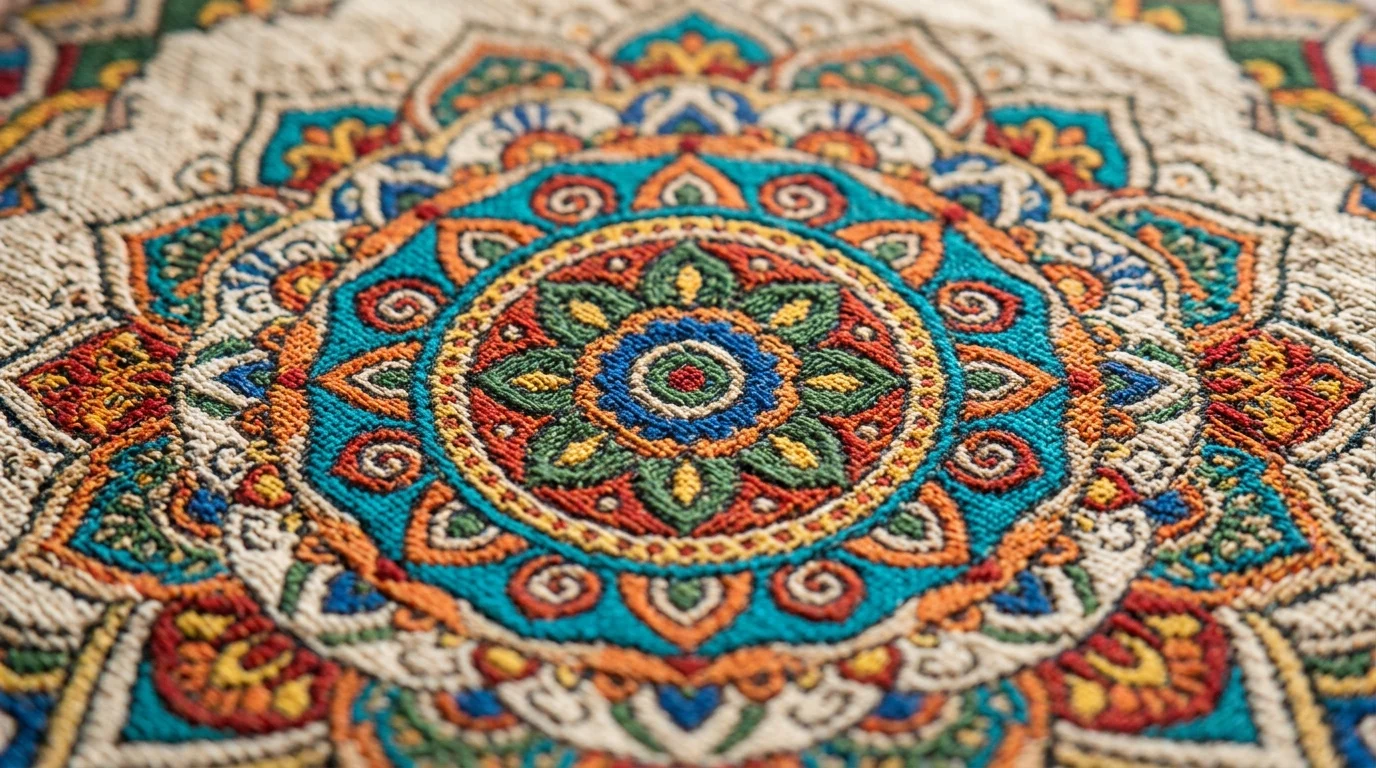
Fabric Considerations Before You Buy
Cotton is the most common material for mandala and tie-dye bedspreads. It breathes well but wrinkles more than a poly blend. Check the listing for 100% cotton versus a cotton-polyester blend if softness and breathability matter most.
Thinner tapestry-weight cotton works well as a lightweight summer cover or wall hanging, but won’t provide real warmth on its own. If you need it to function as your main bedspread through colder months, layer it over a blanket or plan on a heavier alternative.
Kantha quilts use multiple layers of recycled fabric stitched together, giving them more heft and warmth than a single-layer print. That extra material is also why they typically cost more than a printed cotton throw.
Check wash-care instructions before buying, especially for hand-dyed pieces. Vibrant tie-dye colors can bleed in early washes. Wash it alone in cold water the first time, separate from other linens, to protect the rest of your bedding.
The History Behind the Look
Mandala and tie-dye bedding traces back to the counterculture movements of the 1960s and 1970s, when hand-dyed textiles and Indian block-print imports became symbols of a specific aesthetic. That origin is why so much of today’s supply still comes from India-based makers and importers.
Royal Furnish, for example, sources many of its mandala tapestries directly from manufacturers in India, keeping a connection to the style’s original textile traditions. That’s different from a print-on-demand mandala design manufactured domestically and printed onto a generic cotton blank.
Knowing that history helps explain the price spread you’ll see. A hand-block-printed import carries production costs a machine-printed domestic version doesn’t, even when both display a similar mandala pattern.
Color and Pattern Considerations
Bright, saturated colors like fuchsia, turquoise, and orange dominate the mandala and tie-dye category, but muted “boho neutral” palettes in tan, cream, and rust have grown as an alternative for shoppers wanting the pattern without the intensity.
If you’re combining a bedspread with other room decor, check its undertone first. See whether the piece leans warm (reds, oranges, golds) or cool (blues, purples, teals). Mismatched undertones are a common reason a purchased piece doesn’t look right once it’s on the bed.
Pattern scale matters too. A large-format mandala centered on a queen or king bedspread reads differently than the same pattern repeated in a smaller, tiled arrangement. Check whether the listing shows the full spread laid flat, not just a zoomed-in swatch.
Budget Tiers and What You Actually Get
At the low end, roughly $15–$30, expect a machine-printed cotton-poly blend, likely from Amazon or a similar marketplace. It’s fine for casual use or a dorm room, but colors and print sharpness vary between batches.
In the $30–$70 mid-range, expect better cotton quality and more consistent hand-dyed color work from independent Etsy sellers. Tapestry-style pieces here are sturdy enough for repeated use as both wall art and bedding.
Above $70, kantha-style quilted bedspreads and larger hand-block-printed imports dominate. The added cost buys genuine hand construction and heavier, longer-lasting fabric rather than just a bigger size.
Sizing Notes
Bedspread sizing in this category runs less standardized than mainstream bedding brands. A listing labeled “queen” from an independent Etsy seller may run smaller or larger than a queen-size sheet set from a major retailer.
Check the exact listed dimensions in inches, not just the size label, before buying. This matters most for tapestry-style pieces, since sellers use varying base sizes depending on the fabric roll they’re cutting from.
If the bedspread will double as a wall hanging when not in use, add a few inches of buffer on each side. That gives you drape room to hang it flat without the pattern getting cut off at the edges.
Caring for Your Bedspread Long Term
Rotate a lightweight tie-dye or mandala cover with a heavier bedspread as seasons change, rather than leaving one piece on the bed year-round. This cuts down on sun-fade from windows and everyday wear, extending its life significantly.
Store off-season pieces folded in a breathable cotton bag rather than plastic. Trapped moisture in plastic can lead to mildew or musty odors, especially with thicker kantha-style quilts.
Spot-clean small stains rather than running a full wash cycle every time. Frequent washing is the main cause of premature color fading on hand-dyed pieces, more so than normal daily use on the bed.
Common Buying Mistakes to Avoid
Buying based only on the thumbnail photo is the most common mistake. Mandala and tie-dye patterns photograph differently under different lighting, so check for multiple photos and read reviews mentioning true-to-listing color accuracy.
Skipping seller reviews on Etsy is another one. Independent sellers vary widely in fabric quality and stitching consistency. Past buyer photos often show the real color and texture better than a staged product shot does.
Assuming all “hippie” bedding is the same weight is a mistake too. A lightweight tapestry throw and a quilted kantha bedspread serve very different functions, even when both get marketed under the same style name.
Pairing a Hippie Bedspread With the Rest of Your Room
A single bold mandala or tie-dye bedspread usually works best against plain walls and simple furniture. Too many competing patterns in a small room can overwhelm the space rather than highlight the bedspread itself.
Layering matters too. A neutral-colored fitted sheet underneath lets the bedspread’s pattern stay the visual focus. It won’t compete with a printed sheet set peeking out at the edges.
Fairy lights, macrame wall hangings, and floor cushions are common companion pieces in bohemian bedroom setups. Many of the same Etsy and Royal Furnish sellers who carry mandala tapestries sell these too. Buying a coordinated set from one seller can simplify color matching.
Frequently Asked Questions
What is a hippie bedspread made of?
Most are 100% cotton or a cotton-poly blend. Kantha-style bedspreads use layered recycled cotton sari fabric, giving them more texture and weight than a standard printed cover.
Where can I buy authentic hippie tapestries?
Etsy carries the widest range of independent, hand-dyed mandala and tie-dye pieces. Royal Furnish specializes specifically in Indian-import tapestries, and Amazon offers faster shipping on mass-produced versions.
Are mandala bedspreads good for hot sleepers?
Lightweight cotton mandala bedspreads breathe well and suit warmer climates or summer use. A heavier kantha quilt version runs warmer due to its layered construction.
Can I use a tapestry as both a wall hanging and a bedspread?
Yes. Lightweight tapestry-style throws are commonly used both ways, though they won’t provide much warmth if used as your only bedding layer.
Do hippie bedspreads shrink or fade after washing?
Hand-dyed pieces can bleed color in early washes if not pre-treated. Wash a new tie-dye or mandala bedspread separately in cold water the first few times to protect both the piece and your other linens.
Does a hippie bedspread need a duvet insert?
No. Most are standalone covers meant to lay over an existing duvet or blanket, not a duvet cover requiring an insert. Check the listing description if you’re unsure which type a specific product is.
Why We Focus on Marketplaces, Not a Single Brand
No single company dominates hippie bedding the way a name brand dominates other bedding categories. We researched actual listings across Etsy, Amazon, Royal Furnish, and Society6. Our goal was pointing you toward where this specific style is genuinely sold, not pushing one retailer.