Miracle Brand Sheets Review: Are the “Miracle Made” Claims Worth the Price?
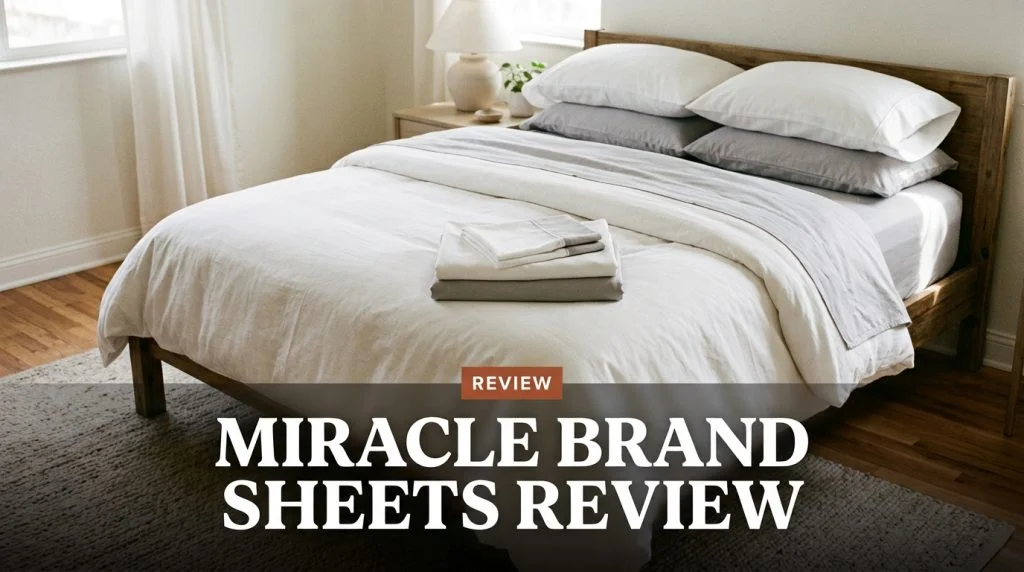
If you’ve seen the ads, you already know the pitch. Miracle Brand, sold under the names “Miracle Made” and “Miracle Sheets,” promises NASA-inspired fabric, silver-infused threads, and sheets that keep hot sleepers cool.
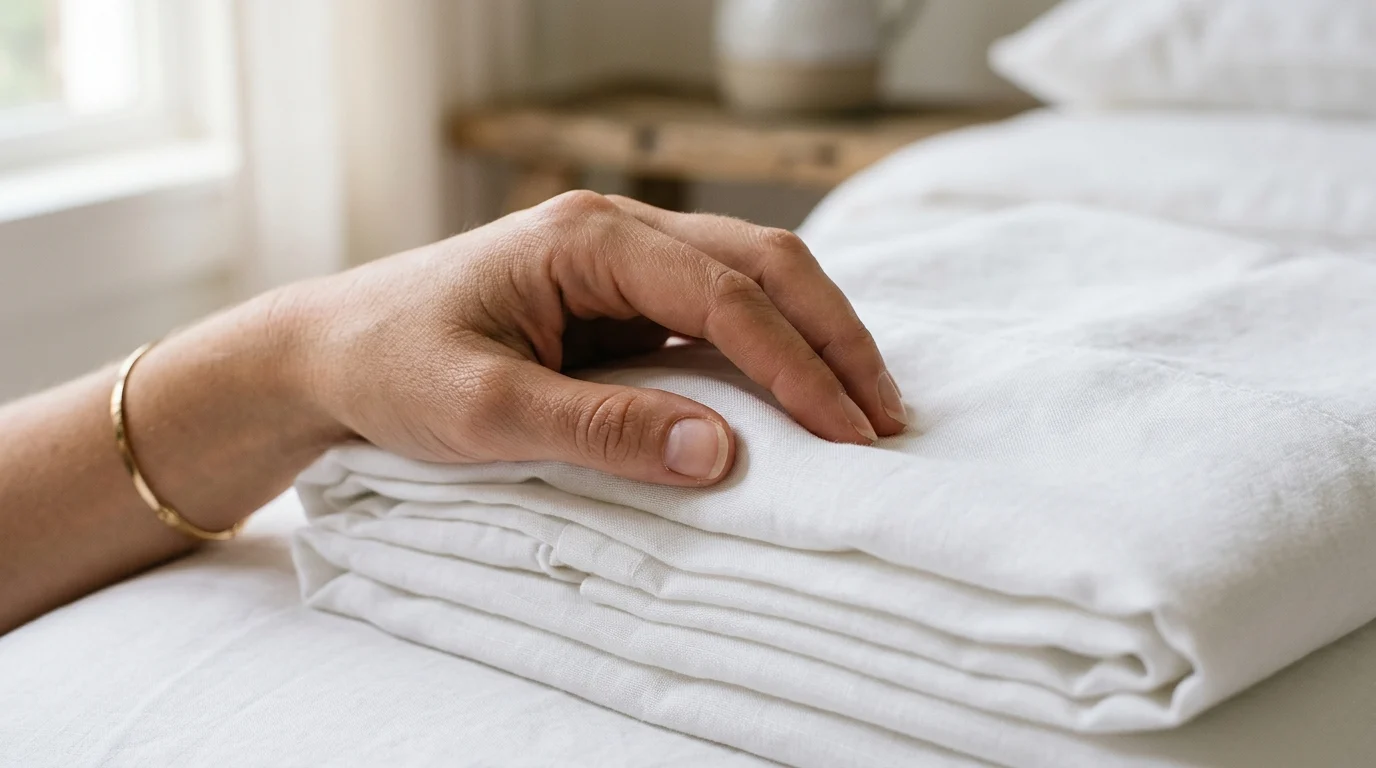
We researched what shoppers actually get when they shop Miracle Brand sheets. We looked at the real material, the certifications behind it, and where the pricing actually lands compared to similar cooling sheets.
(Affiliate link pending — this article will link to [Retailer] once the affiliate program is live.)
What Miracle Brand Sheets Are Actually Made Of
The sheets combine Supima cotton with lyocell. Lyocell is a fiber made from wood pulp, and it absorbs moisture more efficiently than plain cotton.
Miracle Brand also infuses silver into the fabric. The brand says this fights odor-causing bacteria and keeps sheets fresher between washes.
That claim lines up with how silver-treated textiles work in athletic wear and medical fabrics.
The line carries OEKO-TEX Standard 100 certification. That’s a real, independently verified textile safety standard. It confirms the fabric avoids harmful chemical residue levels — it does not measure comfort or durability.
Pricing: What You’ll Actually Pay
Full retail on a Miracle Made sheet set runs from about $109 to $214, depending on size. The brand runs frequent promotions, and sale pricing often brings a set down to roughly $119.
That’s a premium price point for a cotton-lyocell blend. Comparable percale or sateen sets from long-established mills often sell for less, even before any sale pricing kicks in.
Miracle Brand sells almost exclusively through its own website. This direct-to-consumer model is common among newer bedding brands built on ad-driven sales.
That also means you won’t typically find these sheets at Target, Amazon, or Walmart at the same price.
Miracle Brand vs. Other Cooling Sheet Options
| Option | Material | Approx. Price Range | Best For |
|---|---|---|---|
| Miracle Brand Sheets | Cotton-lyocell blend, silver-infused | $109–$214 | Hot sleepers wanting a marketed cooling claim |
| Bamboo lyocell sheets (generic) | 100% bamboo lyocell | $60–$150 | Budget-conscious hot sleepers |
| Percale cotton sheets | 100% long-staple cotton | $50–$180 | Crisp, breathable feel without synthetic blends |
| Sateen cotton sheets | 100% cotton, sateen weave | $70–$200 | Softer hand-feel, slightly warmer |
Does the Cooling Claim Hold Up?
Lyocell fibers really are more absorbent than plain cotton. That part isn’t marketing spin — wood-pulp fibers like lyocell and Tencel wick moisture more effectively than standard cotton weaves.
That’s why hospitals and athletic brands use similar fiber blends. A hot sleeper switching from basic percale to a lyocell blend should notice a real difference in how quickly sweat evaporates overnight.
Where the marketing stretches further is the “NASA-inspired” framing used in some ad copy. No verified NASA-developed textile technology appears in Miracle Brand’s published fabric specs, so treat that phrase as branding language rather than a technical claim.
What Reviewers and Buyers Say
Independent coverage of Miracle Brand sheets is mixed but not damning. Reviewers who run hot at night generally report the fabric feels cooler than a standard cotton set, which lines up with the lyocell content.
Common complaints center on price relative to feel — some buyers expected a more dramatic difference for the cost. Others note the silver treatment fades somewhat after repeated washing, which is typical of any antimicrobial fabric finish over time.
Care Instructions
Machine wash Miracle Brand sheets in cold or warm water on a gentle cycle. Avoid bleach, since it can break down the lyocell fibers and strip the silver treatment faster.
Tumble dry on low heat, or line-dry to extend the fabric’s lifespan. Skip fabric softener — it coats fibers and can reduce the moisture-wicking effect that’s the whole point of buying this line.
Who Should Consider Miracle Brand Sheets
Night sweats or a consistently warm bedroom are the clearest reasons to try this line. The lyocell blend moves moisture better than a basic all-cotton set, and the silver treatment helps sheets stay fresher between wash days.
Budget shoppers should compare specs first. Several bamboo-lyocell sets from other brands use similar fiber science at a noticeably lower price.
Check the fiber content on any set before paying a premium for a brand name alone.
How to Shop Smart for Miracle Brand Sheets
Watch for the brand’s recurring sales. The set price swings widely between full retail and promotional pricing, and buying during a discount window can cut the cost by close to half.
Check the thread count and weave listed on the specific product page before ordering. Miracle Brand offers more than one finish, and the feel can vary between them.
Confirm the return policy before you buy. Sheet feel is personal, and a photo or ad clip won’t tell you how a fabric actually feels against your skin.
A workable return window protects you if the set isn’t right once it arrives.
How Lyocell Is Actually Made
Lyocell starts as wood pulp, usually from eucalyptus or beech trees. Manufacturers dissolve the pulp in a solvent, then spin it into fiber using a closed-loop process that recycles most of the solvent.
That closed-loop process is why lyocell gets marketed as a more sustainable fiber than conventional cotton. Cotton farming uses significant water and pesticides, while lyocell production uses less water per pound of finished fiber.
The fiber itself has a smooth surface at the microscopic level. That smoothness is part of why lyocell blends feel silky against skin.
It’s also why lyocell resists the pilling that rougher cotton-polyester blends develop over time.
Sizing Options and What’s Included
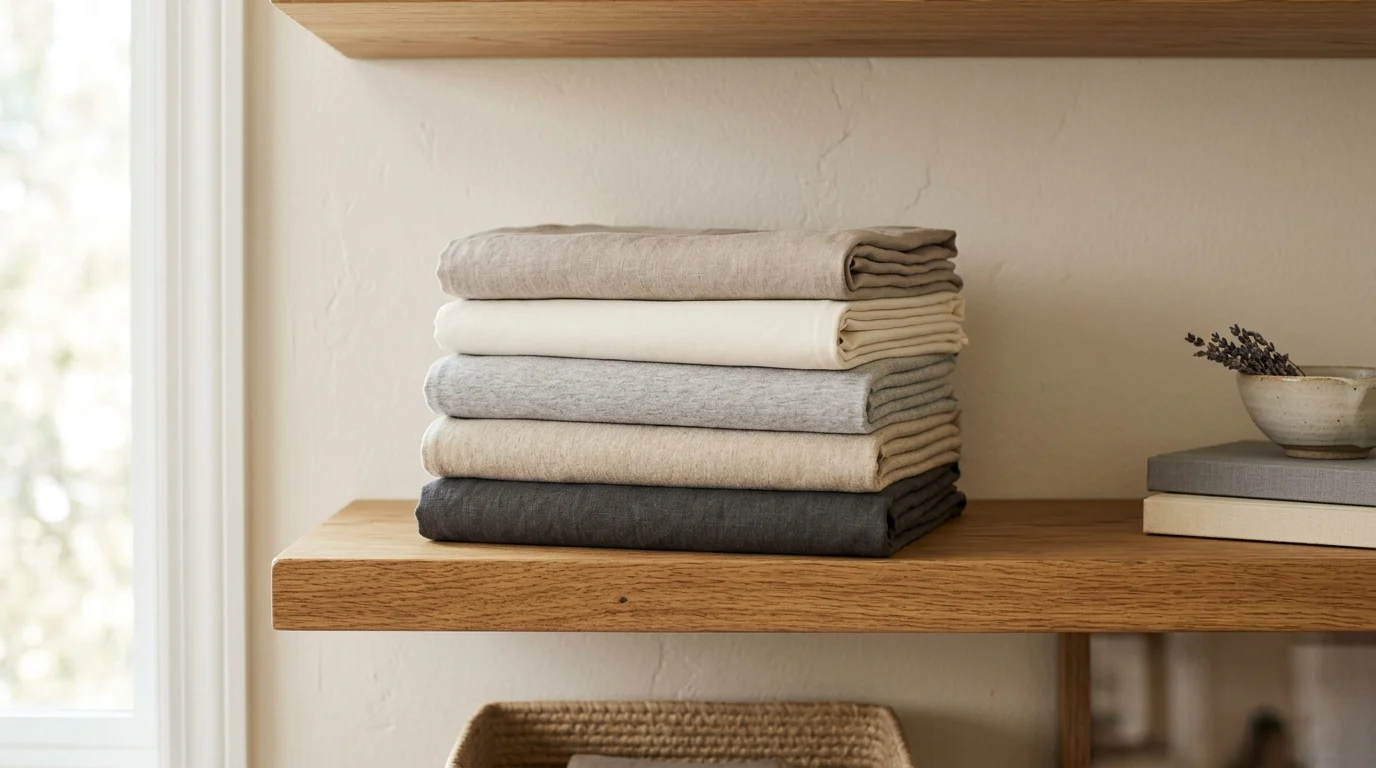
Miracle Brand sheet sets typically include a fitted sheet, a flat sheet, and pillowcases, sized for Twin, Full, Queen, King, and California King mattresses. Deep-pocket fitted sheets accommodate mattresses up to around 16 inches thick, which covers most modern memory foam and hybrid mattresses.
Some product listings sell the fitted sheet or pillowcases separately, which helps if you only need a replacement piece. Check the specific listing before ordering, since bundle contents shift between promotions.
Return Policy and Risk
Miracle Brand offers a trial period on new sheet sets, a common practice among direct-to-consumer bedding brands competing with in-store try-before-you-buy shopping. Read the current return window on the checkout page before ordering, since policies change without much notice.
Keep the original packaging until you’ve slept on the sheets for at least a week. That gives you a fair trial while preserving your ability to return the set if the feel doesn’t match the marketing.
How This Compares to Shopping In-Store
Buying sheets in a store lets you touch the fabric before paying. Miracle Brand’s direct-to-consumer model skips that step entirely, relying on video ads and customer photos instead of a showroom feel-test.
That tradeoff cuts overhead for the brand, which is part of how it can afford aggressive discount pricing during sales. It also means your only real recourse if the sheets disappoint is the return policy, so read it closely.
A Closer Look at the Silver Treatment
Silver ions have a documented antimicrobial effect, which is why hospitals, athletic gear makers, and some outdoor brands use silver-treated fabric. Miracle Brand applies this same principle to bedding, aiming to reduce the bacteria that cause sheet odor between washes.
The effect isn’t permanent. Repeated washing gradually reduces any fabric treatment’s potency, silver included.
Expect the odor-control benefit to fade somewhat after a year or two of regular use. It won’t last the entire life of the sheets.
Is Lyocell Good for Allergies and Sensitive Skin?
Lyocell fibers resist dust mites better than many synthetic blends, since the tight fiber structure gives mites less surface to colonize. That’s a real benefit for allergy-prone sleepers, not marketing filler.
The fabric also lacks the rough texture that irritates sensitive skin on cheaper polyester-cotton blends. Combined with the silver treatment’s odor control, this makes the line a reasonable option for people managing eczema or general skin sensitivity, though it’s not marketed or certified as a dermatological product.
How Miracle Brand Fits Into the Wider Direct-to-Consumer Bedding Trend
Miracle Brand is one of many bedding companies built almost entirely on social media advertising over the past decade. Brooklinen, Buffy, and similar brands followed a comparable playbook: skip traditional retail, sell straight to the customer, and lean on aggressive discount cycles to move volume.
This model can work in the buyer’s favor. Skipping a retail markup sometimes means better margins get passed along as sale pricing, especially during major shopping events.
It also means less independent quality testing than you’d get from a legacy mill with decades of retail distribution. Reading real user reviews, not just the brand’s own testimonials, matters more with a direct-to-consumer sheet brand than it does with an established department-store label.
Frequently Asked Questions
Is Miracle Brand the same as Miracle Sheets?
Yes. “Miracle Made” and “Miracle Sheets” are marketing names used by the same company for its flagship cotton-lyocell sheet line.
What are Miracle Brand sheets made of?
A blend of Supima cotton and lyocell, with silver infused into the fabric for odor control. The line holds OEKO-TEX Standard 100 certification.
How much do Miracle Brand sheets cost?
Full retail runs from about $109 to $214 per set depending on size. Frequent promotions bring sets closer to $119.
Are Miracle Brand sheets actually cooling?
The lyocell content wicks moisture better than plain cotton, which supports a genuine temperature-regulating effect for hot sleepers. Results still vary by bedroom temperature and personal sleep habits.
Where can you buy Miracle Brand sheets?
Direct from the brand’s own website is the primary channel, since it sells mostly direct-to-consumer. Watch for seasonal sales, since pricing moves often.
Do Miracle Brand sheets pill or wear out fast?
Cotton-lyocell blends generally hold up well with proper washing. Skipping fabric softener and bleach extends the life of the moisture-wicking finish considerably.
The Bottom Line
Miracle Brand sheets deliver a real material story. Supima cotton, lyocell, and a silver treatment aren’t invented specs, and the OEKO-TEX certification is a legitimate third-party seal, not a marketing invention.
The cooling claim has genuine fiber science behind it, even though some ad copy oversells the technology angle with vague “NASA-inspired” language. Judge the product on the lyocell content, not the tagline.
We recommend comparing this line against other lyocell-blend sheets before buying, especially if budget is a factor. If the cooling claim and silver treatment appeal to you and you catch a promotional price, Miracle Brand is a reasonable pick for hot sleepers.
Our overall take: a solid mid-tier cooling sheet with real fiber science behind the marketing, priced at a premium that only makes sense once a sale brings it closer to the rest of the market.