Heated Mattress Pad vs Heated Blanket: Which Should You Actually Buy?
Beddingaholic is reader-supported. When you buy through links on our site, we may earn an affiliate commission at no extra cost to you. This comparison is a research round-up, not a hands-on test — see “How we compared them” below for exactly how it was put together. We publish no prices here: they move daily in Black Friday season, and a price printed today would be wrong tomorrow.
Heated Mattress Pad vs Heated Blanket: Which Should You Actually Buy?
If your bed is cold when you climb into it, buy the heated mattress pad. If you want warmth on the sofa as well as in bed, buy the heated blanket. That is the honest short answer to the heated mattress pad vs heated blanket question — there is no universal winner, and every comparison we read lands in the same place. The two products do the same job from opposite directions: a pad warms you from underneath, a blanket warms you from above. Which one fits depends on where you feel the cold, who shares your bed, and how you actually live in the thing.
One warning before the details: most heated-bedding listings do not publish wattage at all. Sunbeam and Biddeford publish none for any model we checked. So any site that ranks pads against blankets by running cost is guessing — we show you the maths you can do yourself instead, with the three wattages that are published, and we say plainly where no answer exists.
How We Compared Them
Our method, honestly: We did not hands-on test these products, and we don’t claim scores we didn’t earn. This is a research round-up. We read the instruction manuals for eight current models — four heated mattress pads and four heated blankets — and cross-checked them against the manufacturers’ own pages and the safety guidance published by the U.S. Consumer Product Safety Commission (CPSC) and the Electrical Safety Foundation International (ESFI), all on November 21, 2026. Model numbers matter: the same brand name covers different specs by size and variant, and review sites disagree with each other — so every figure below is cited to its model’s manual, not to a review. Where a manual is silent (most often on wattage), we say so instead of filling the gap. Prices are not printed because they change daily in Black Friday season.
The Verdict at a Glance
- Buy the heated mattress pad if: your bed is cold at bedtime; you sleep with a partner who wants a different temperature; you want the heat to stay put all night, under you, where it can’t bunch up or slide off.
- Buy the heated blanket if: you want warmth on the sofa, in a chair, or while reading — anywhere that isn’t your bed; you want one heated layer that moves between rooms; you want the widest choice of colours and fabrics.
- Buy neither yet if: anyone using it can’t feel heat well, is a child, or is incapacitated — read the safety section first. Some people should not use either product at all.
Heated Mattress Pads vs Heated Blankets: The Specs That Matter
| Product | Type | Heat settings | Auto shut-off | Dual control (Queen/King) | Machine washable | Wattage |
|---|---|---|---|---|---|---|
| Sunbeam Restful Quilted Pad MSU2KQS (Queen) | Pad | 10 | 10 hours (fixed) | Yes | Yes | Not published |
| Sunbeam Premium Water-Resistant Pad MSU6SQS (Queen) | Pad | 12 | 1–12 hours (selectable) | Yes | Yes | Not published |
| Sealy Heated Mattress Pad SLM-HM60-OG (Queen) | Pad | 10 | 1–12 hours (selectable) | Yes | Yes | 125 W (retailer listing only) |
| Biddeford 6 oz Quilted Pad (Queen) | Pad | 10 | 10 hours (fixed) | Yes | Yes | Not published |
| Sunbeam Royal Luxe Blanket (Queen) | Blanket | 12 | 1–12 hours (selectable) | Yes | Yes | Not published |
| Bedsure GentleSoft Blanket BS-400B-S (Queen) | Blanket | 10 | 8 hours (default); timer to 10 hours | Yes | Yes | 110 W (manual; wording ambiguous) |
| Biddeford Micro Plush Blanket (Queen) | Blanket | 10 | 10 hours (fixed) | Yes | Yes | Not published |
| Westinghouse Blanket WH-HSF90 (Queen) | Blanket | 10 | 1–12 hours (selectable) | Unverified — conflicting sources | Yes | 100 W (manual) |
Throw sizes are different products under the same name, so check the size you are buying: the Sunbeam Royal Luxe throw has 4 heat settings and a 4-hour auto-off, and the Bedsure and Biddeford throws have 6 heat settings — none of which matches the full-size blanket of the same name. The Westinghouse dual-control question is genuinely unresolved: its manual describes a single controller, while retailer listings describe dual control. We state neither as fact until the product label is checked.
What a Heated Mattress Pad Actually Is
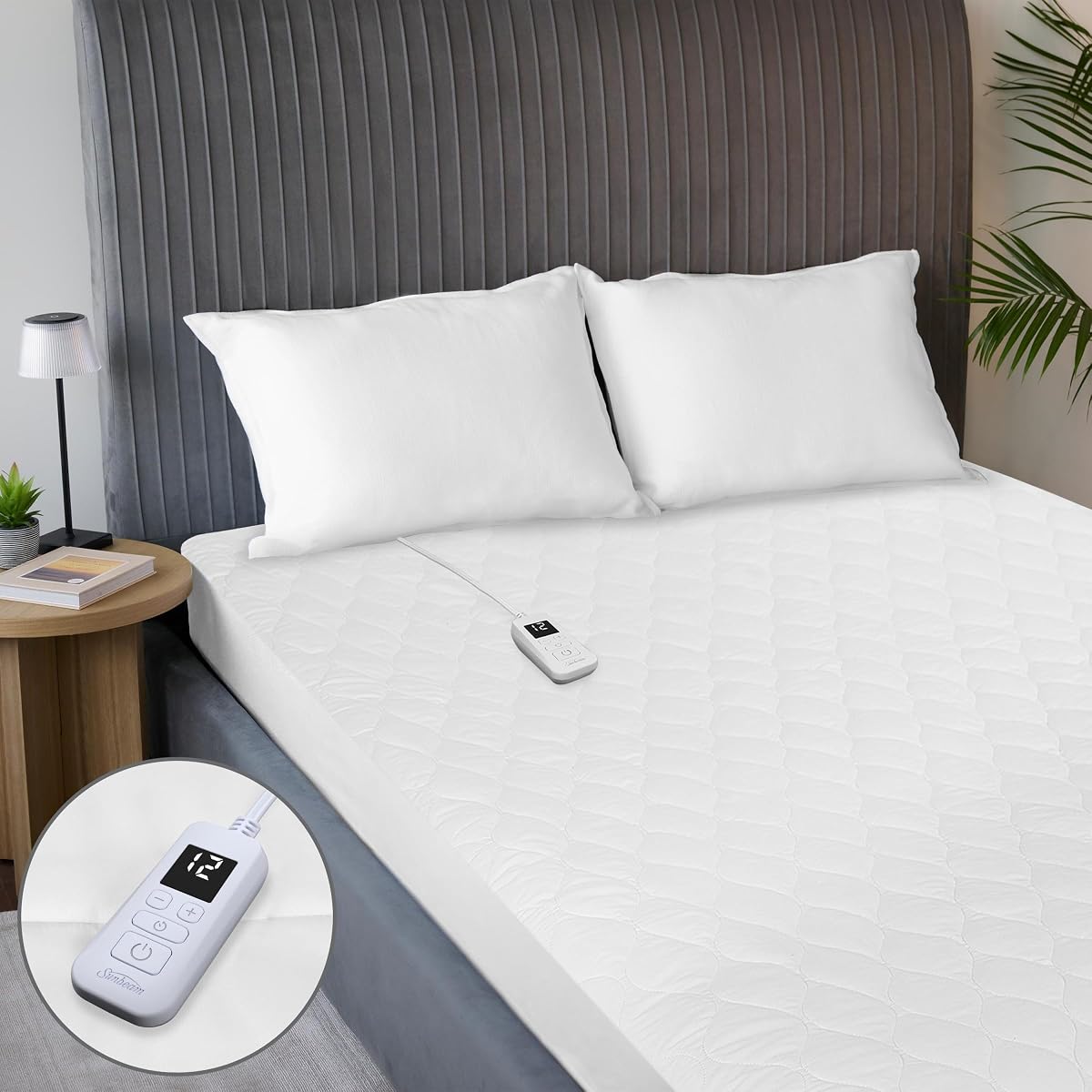
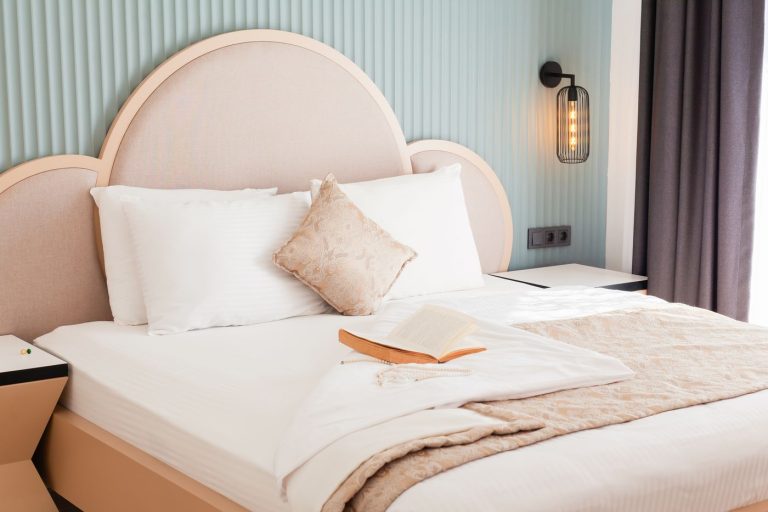
A heated mattress pad is a fitted, quilted layer that sits flat on your mattress, underneath your fitted sheet, and stays there. Sunbeam describes it plainly: the pad is “placed on top of the bed and covered with fitted sheets” and “remain[s] in one place”, giving “consistent warmth that radiates from underneath the body throughout the night”. You sleep on it. It does not move, it cannot slide off the bed, and because it lies flat under the sheet it cannot bunch up the way a loose blanket can.
That fixed position is the pad’s whole case. It preheats the bed itself — the mattress, the sheet, the space your body will occupy — rather than warming you directly. Every pad we checked fits a standard mattress depth (the Sealy fits mattresses up to 17 inches deep with a 360° elastic skirt) and comes with dual controls on Queen and King sizes, so each side of the bed can run at its own temperature. If you are rebuilding the whole winter bed around a pad, our guide to how to layer bedding for winter shows where each layer goes.
What a Heated Blanket Actually Is
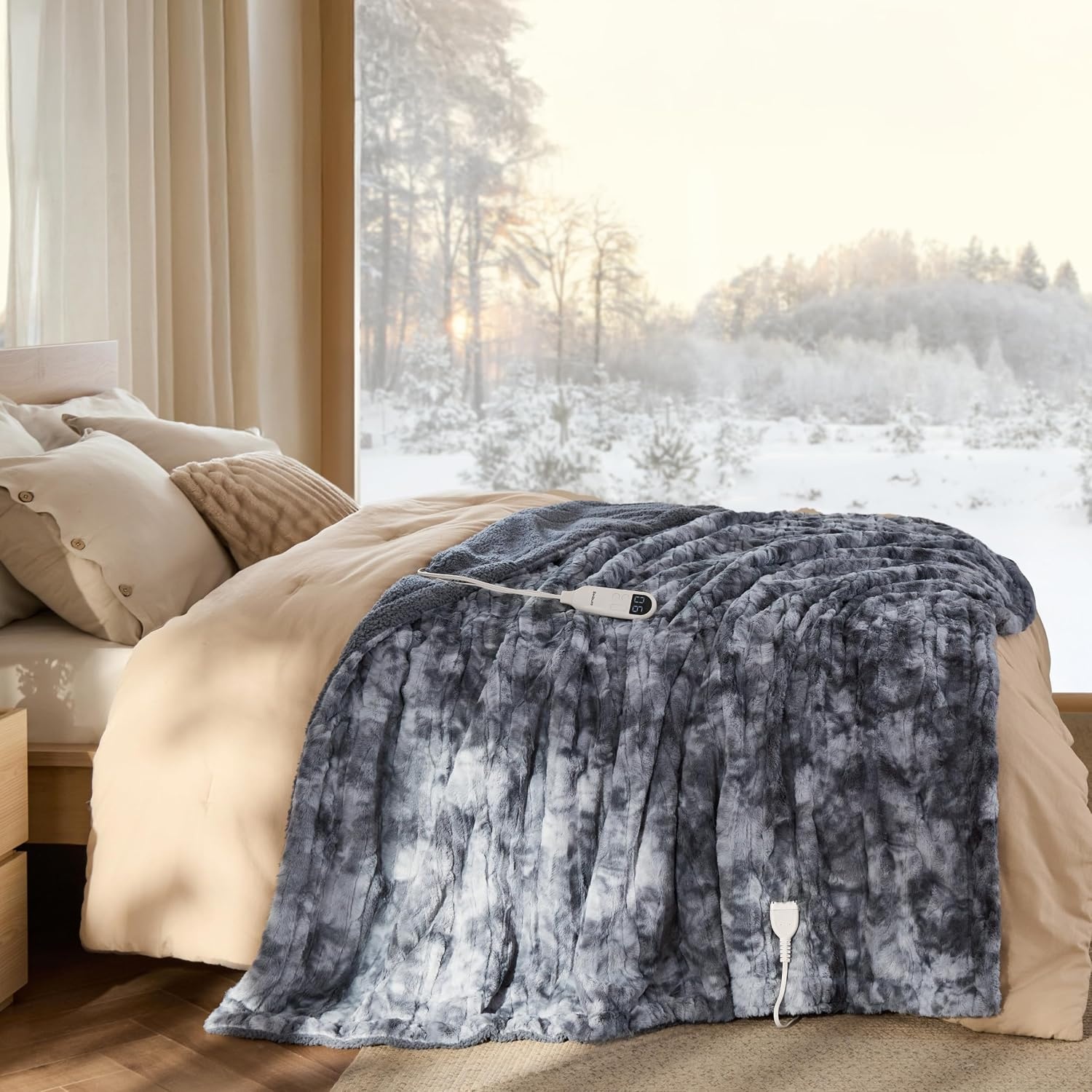
A heated blanket is the layer that goes over you. It is the top layer of the bed while it runs — flat, uncovered, with its edges hanging free — and when you get up, it can follow you to the sofa, the armchair, or the reading corner. That mobility is the blanket’s whole case. A pad only ever works on the bed it is fitted to; a blanket works anywhere you can sit under it.
The trade-off is that a blanket has to be managed: spread flat, never folded or bunched while it runs, and never covered by anything else (the CPSC rule in the safety section below exists mostly because of blankets). Blankets also come in the widest range of sizes and fabrics — from a 50×60-inch throw made for one person on a couch to a King blanket — and a throw will not cover a Queen bed, so size is worth checking before you buy. Our safety-first picks, with the full spec check behind each one, are in our guide to the best heated blankets.
Where the Heat Goes — and Why It Matters
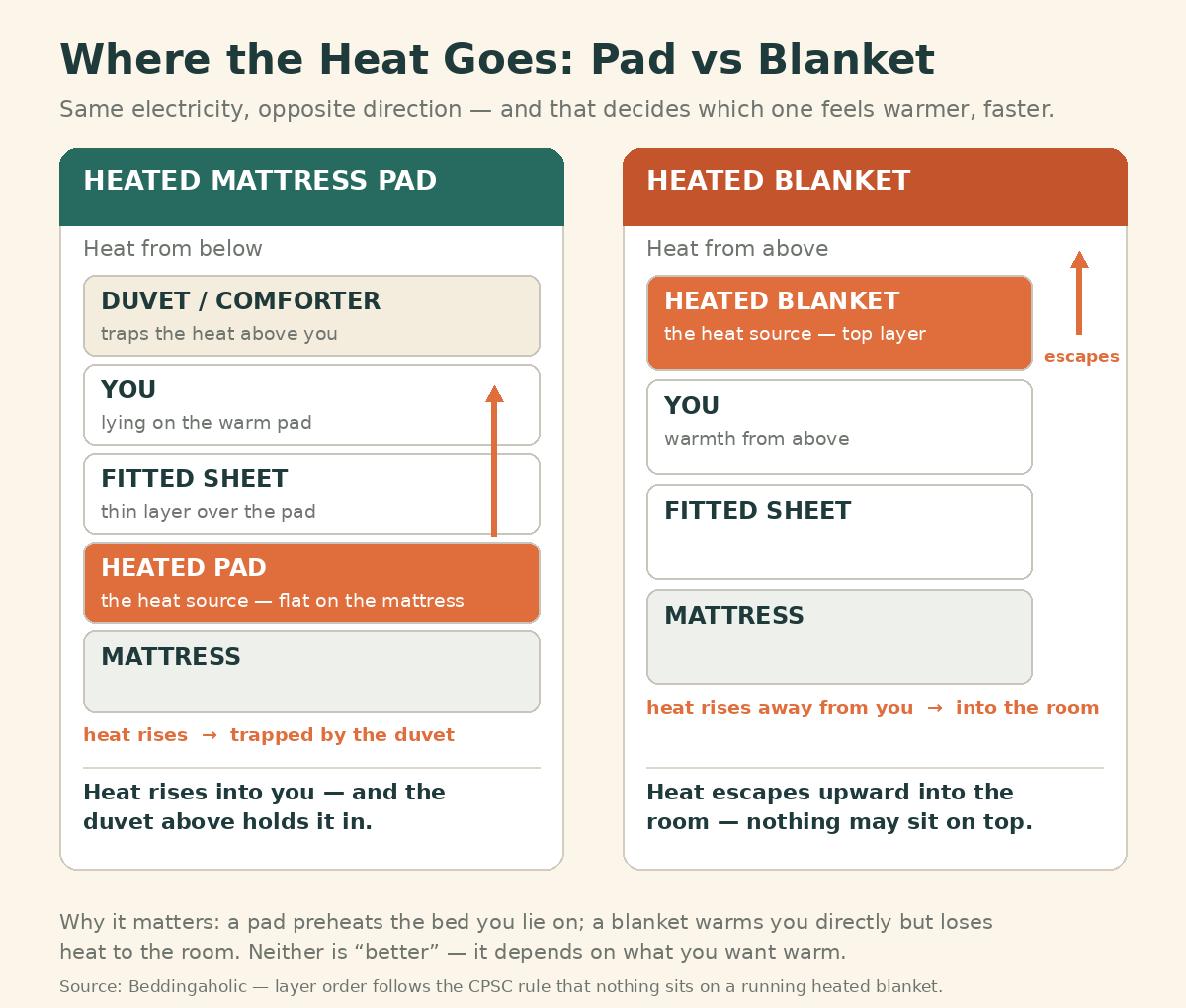
Sunbeam puts the difference in one sentence: the difference between a warming blanket and a warming mattress pad “is the direction of the heat, over the body (blanket) or underneath (pad)”. That direction decides how each one feels. A pad’s heat rises into you and the duvet above you holds it in — the bed itself becomes the warm place. A blanket’s heat warms you from above and keeps rising past you into the room, which is why a blanket can feel lovely the moment you pull it over yourself and still leave the bed underneath you cold.
It is tempting to turn that into a claim that pads use less energy than blankets. We won’t, because no manufacturer or authority we could find has measured it — no Sunbeam, Sealy, Biddeford, Bedsure or Westinghouse manual or product page compares the two types on energy use, and the one independent comparison that checked the same question in November 2026 found the same gap. The trapped-heat logic is physically sensible, but sensible is not measured. Treat it as a reason a pad feels efficient, not as a fact about your electricity bill. The running-cost section below shows what can actually be calculated.
The 6 Differences That Actually Decide It
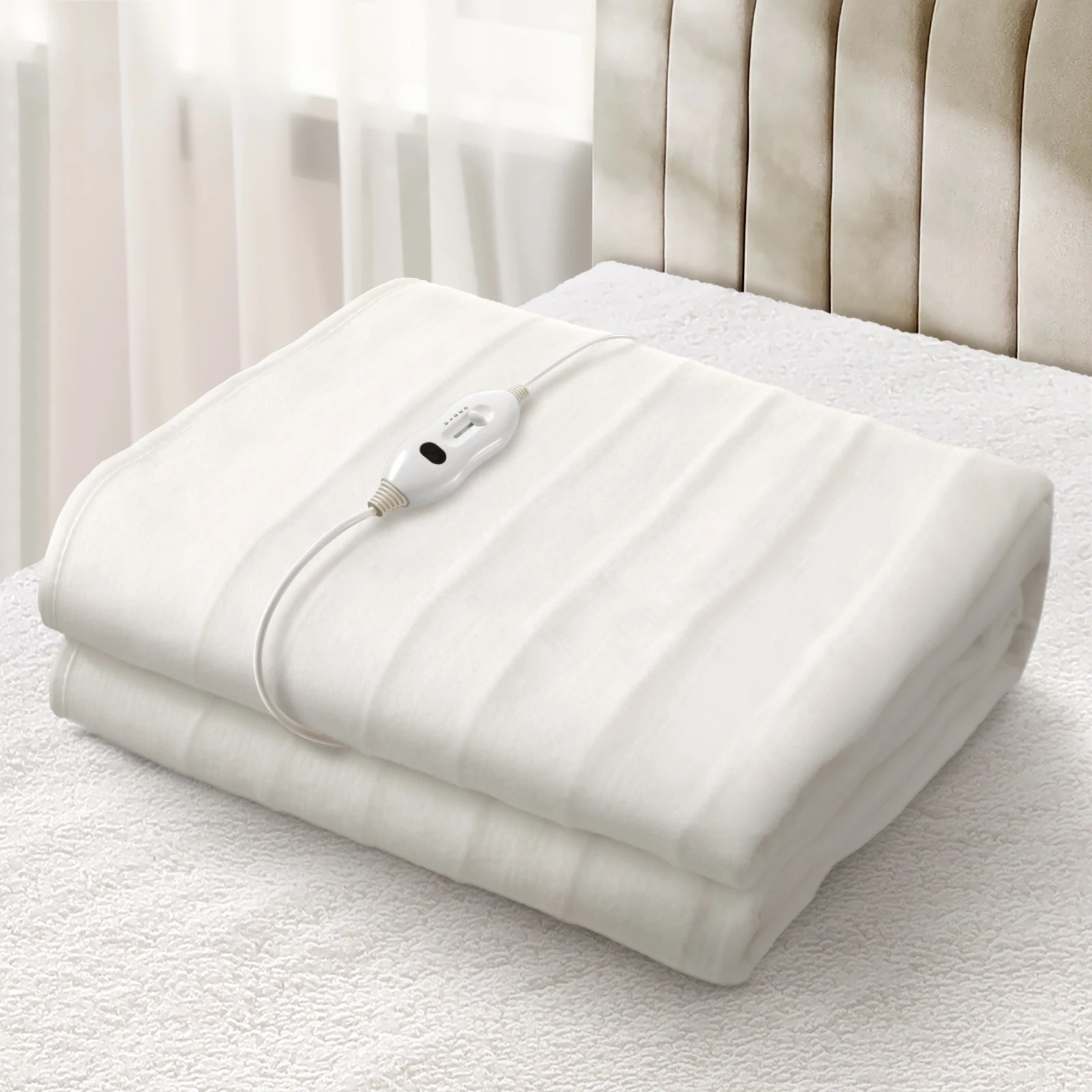
1. Placement — under you vs over you. A pad is a fitted layer under the sheet; a blanket is the top layer over you. Everything else follows from this one fact.
2. Mobility — one bed vs anywhere. A pad lives on one mattress. A blanket goes to the sofa, the chair, the guest room, the cold corner of the house. If the cold you are solving happens in more than one room, the blanket wins outright.
3. Couples — both offer dual zones, the pad holds its side better. Every Queen and King pad and blanket we checked offers dual controls with independent settings per side — except Westinghouse, where the dual-control claim is unverified. The pad’s edge is that it cannot be pulled to one side in the night; the blanket’s edge is that each person can also take it to the sofa alone.
4. Preheat — standard on most models, not all. Preheat is confirmed on the Sealy and Biddeford pads and on the Bedsure and Biddeford blankets we checked. It matters more for a pad, because preheating is how a pad earns its keep: switch it on ahead of bedtime and the mattress is warm when you climb in.
5. Bunching and folding — the pad is harder to misuse. A blanket that is folded, bunched or tucked while running can overheat — the CPSC’s recall history shows folded or covered blankets smouldering and melting. A pad lies flat under the sheet by design and cannot bunch. That is not the same as saying pads are safer — the CPSC and ESFI rules apply to both types equally — but it is a real difference in how easy each one is to use wrong.
6. Size, fit and adjustable beds — check before you buy. Pads are sized to the mattress (Queen is 60×80 inches; the Sealy fits mattresses up to 17 inches deep) and blankets range from a 50×60-inch throw to King. One more check if your bed moves: Sunbeam prohibits its heated bedding on mechanically adjustable beds, waterbeds and bunk beds. Whatever brand you buy, the manual’s “do not use on” list is worth reading before the box is opened.
What They Cost to Run — the Honest Maths
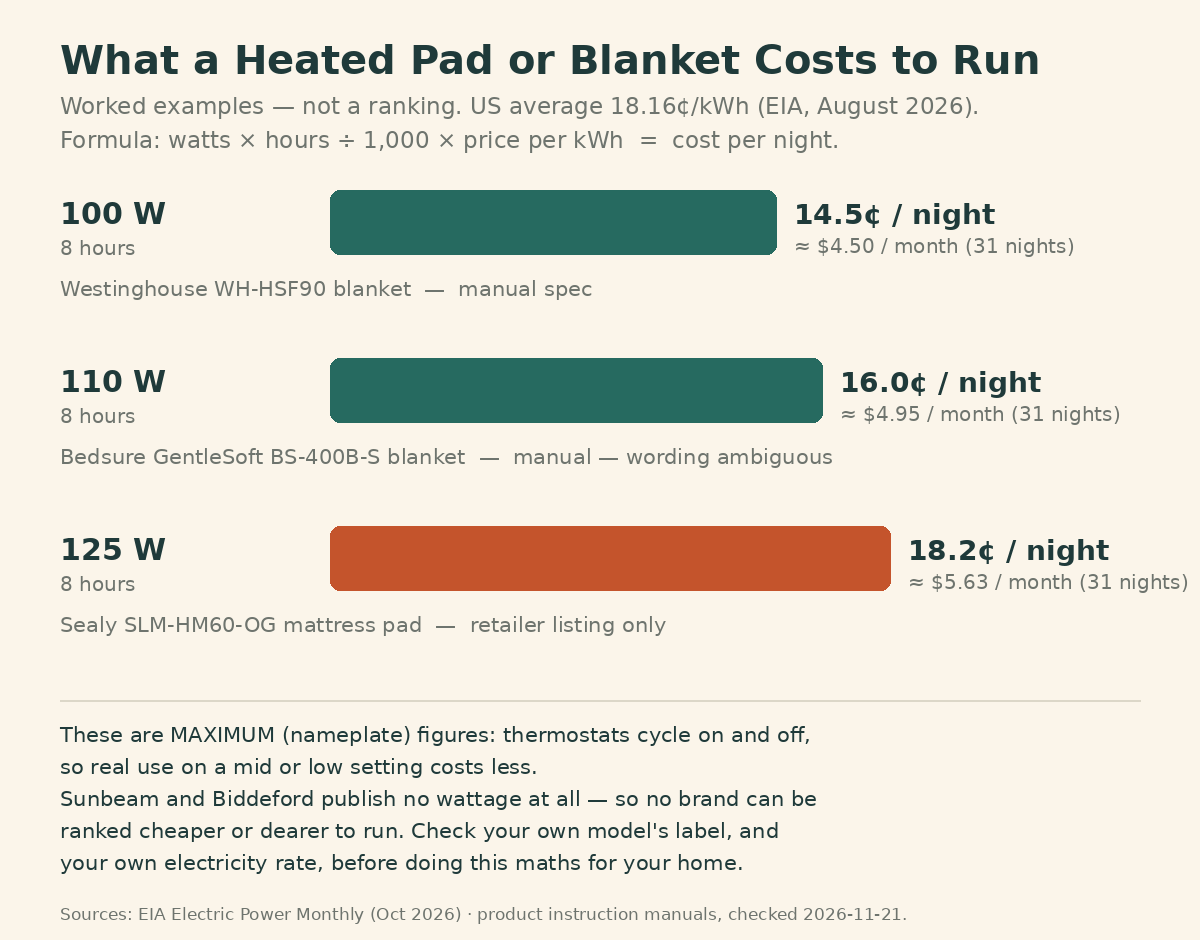
The maths itself is simple: watts × hours ÷ 1,000 × your price per kilowatt-hour = cost. The U.S. residential average electricity price is 18.16¢ per kWh (U.S. Energy Information Administration, August 2026 — the latest published month). At that rate, the three models that publish wattage work out like this at full power for 8 hours: the Westinghouse blanket (100 W) costs 14.5¢ a night, about $4.50 a month; the Bedsure blanket (110 W) costs 16.0¢ a night, about $4.95 a month; the Sealy pad (125 W, from a retailer listing, not its manual) costs 18.2¢ a night, about $5.63 a month.
Three honest caveats, all of which matter more than the numbers themselves. First, these are maximum figures: thermostatic controllers cycle on and off, so real use on a mid or low setting costs less — the examples are a ceiling, not a bill. Second, the Bedsure 110 W figure is ambiguously worded in its manual (it may be per controller, not total), and the Sealy 125 W figure comes from a retailer listing rather than the manual, so treat those two rows as approximate. Third, and most important: no heated mattress pad vs heated blanket cost ranking is possible, because Sunbeam and Biddeford publish no wattage for any model, and no manufacturer compares the two types. Any article that tells you one type is cheaper to run is guessing. To do this maths for your own home, read the wattage off your model’s label and swap in your own electricity rate — the formula above is all you need.
Safety First — the Rules That Apply to Both
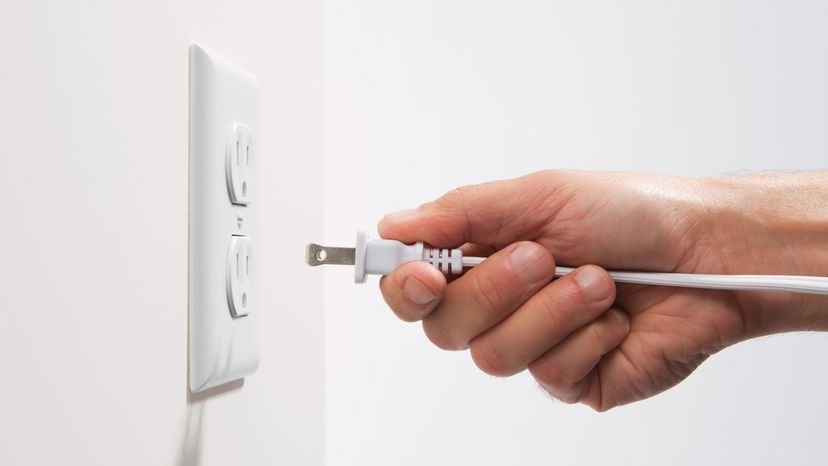
Heated bedding is the one bedding purchase that is genuinely a safety decision, and the rules below apply to pads and blankets equally. They come from the U.S. Consumer Product Safety Commission’s Home Electrical Safety Checklist (Pub. 513) and the Electrical Safety Foundation International (ESFI) — not from a blog.
From the CPSC: inspect the product before use and discard it if the wiring, plugs or connectors are cracked or broken, or if there are dark, charred or frayed spots on either side. Never put anything on top of an operating electric blanket — not even a light bedspread, and not a pet. Never fold an electric blanket while it is in use. Never tuck or pinch the heat wires around corners. Inspect electrical products every six months, and buy only products carrying the seal of a nationally recognised testing laboratory (UL, ETL or CSA).
From ESFI: heating pads and electric blankets cause around 500 fires a year, and almost all of those fires involve blankets more than ten years old. Never leave a heating appliance unattended or use one while sleeping. Never plug one into an extension cord or power strip. Never use a heated pad and a heated blanket at the same time. And replace a heated blanket that is ten or more years old — note that the ten-year figure is ESFI’s, not the CPSC’s; the CPSC sets no age limit and says simply to discard a damaged product.
The honest tension: ESFI says never use heated bedding while sleeping — yet manufacturers sell pads and blankets with 8- to 12-hour auto-off timers plainly designed for overnight use. Both positions are on the record, and we won’t pretend they agree. The pattern every source does agree on is the safest one: preheat the bed, then switch the product off (or let the auto-off do it) before you fall asleep. If you do sleep with one running, use the lowest setting that keeps you comfortable, a certified product in good condition, and a working auto-off.
Who Should Not Use Either One
Sunbeam’s manual carries the most complete exclusion list, and it is worth quoting in full: do not use a heated pad or blanket “with an infant, a child, an incapacitated or immobile person, a paraplegic, a quadriplegic, a diabetic, one insensitive to heat such as a person with poor blood circulation, or anyone who cannot clearly understand the instructions and/or operate the controls.” Biddeford and Westinghouse manuals say the same in shorter form — no infants, children, incapacitated persons, or anyone insensitive to heat. Sealy’s manual says only that its pad is “intended for adult use”, and the Bedsure manual we checked lists no exclusion group at all. The absence of a warning in a manual is not permission: if you cannot feel heat well, have diabetes or poor circulation, or use a pacemaker or other medical device, check with your clinician first — Sunbeam’s manual says exactly that. If you are pregnant, talk to your doctor before using any heated bedding; that is advice, not a ban. Prolonged contact with low-level heat can also cause a mottled skin discolouration known as erythema ab igne (“toasted skin syndrome”) — Southern Living notes the condition, citing Akron Children’s Hospital — another reason not to sleep on a high setting night after night.
Are Heated Mattress Pads Bad for You?
No authoritative source says that heated mattress pads are inherently bad for you. No medical finding we could verify shows that normal use harms healthy adults when the product is used as directed. The documented risks are specific, not general: burns and fires from misuse, from old or damaged products, and from use by people who cannot feel heat — which is exactly why the exclusion list above exists. Used as directed — certified, inspected, flat, uncovered while running, switched off or on auto-off overnight — a heated mattress pad is, on the evidence available, a low-risk way to warm a cold bed. What nobody has shown is that one type is safer than the other: the CPSC and ESFI rules apply to pads and blankets equally, and any site claiming otherwise is stating an opinion, not a fact.
Care and Washing — What Survives the Machine
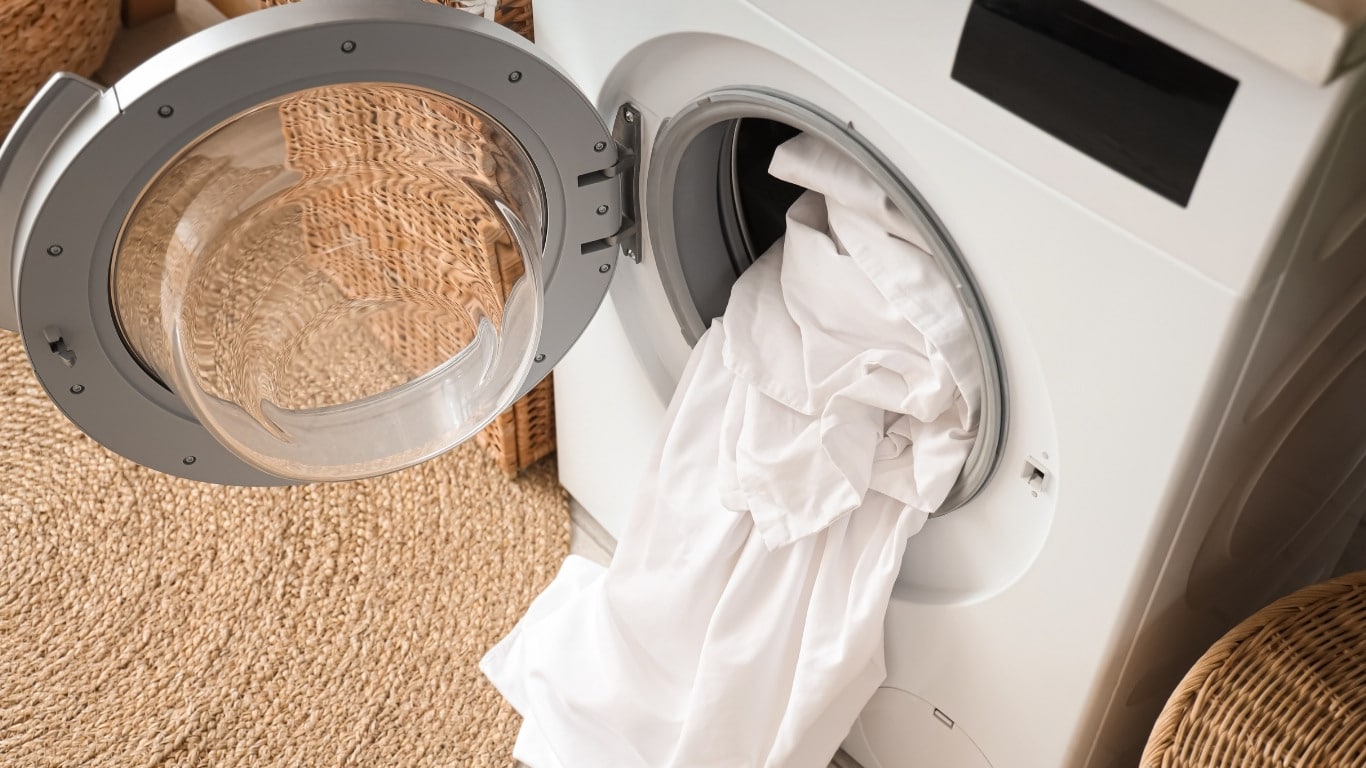
Every one of the eight models in our table is machine washable, pads and blankets alike. The rules are nearly identical across brands, and they are worth following exactly, because a washed-while-wet controller is how a good pad or blanket dies young: detach the controller and cord first; wash on a cold, gentle cycle with mild detergent; tumble dry low (Sunbeam says low for ten minutes, then line dry) or line dry; never bleach, iron or dry-clean; never use a commercial or laundromat dryer, which runs too hot for the wiring; and do not reconnect the power until the product is completely dry. Unplug before cleaning or storing, and keep the manual’s washing instructions with the product — the settings above differ by model, and the throw version of your blanket may wash differently from the bed-size one. The same gentle-wash logic applies to the rest of the bed: our guide to washing a down comforter without clumping covers the other washable layer in the stack.
Which Should You Buy?

| Your situation | Buy this | Why |
|---|---|---|
| Your bed is cold when you climb in | Heated mattress pad | The heat is already in the mattress, it stays put all night, and it can’t bunch up. |
| You and your partner want different temperatures | Either — with dual-zone Queen/King controls | Both types offer independent settings per side. The pad’s edge is that it can’t be pulled to one side. |
| You want warmth on the sofa or in a chair | Heated blanket (or throw) | A pad only works on the bed it is fitted to. A blanket follows you. |
| One person, one couch, simplest option | Heated throw | Smallest and simplest — but check the specs: throws have fewer heat settings and shorter auto-off than bed-size blankets. |
| A guest room used a few nights a year | Heated blanket | Easy to store, easy to move between rooms. Pair it with our holiday guest-bedding checklist for the rest of the room. |
| You can’t feel heat well, or have diabetes or poor circulation | Neither — without a clinician’s say-so | See the safety section above. No bargain is worth a burn you can’t feel. |
If you only buy one heated layer this winter, buy the one that matches where you feel the cold: the pad for a cold bed, the blanket for a cold house. And if you want the shortlist of blankets that passed our safety bar first — certification, auto-off, washability, a real manual — it is in our guide to the best heated blankets. If the duvet that traps a pad’s heat is the next thing to get right, our duvet cover size calculator will size it to your bed.
Frequently Asked Questions
Are heated mattress pads bad for you?
No authoritative source says so. No verified medical finding shows that normal use harms healthy adults when the product is used as directed. The real risks are burns and fires from misuse, from old or damaged products, and from use by people who cannot feel heat — infants, children, incapacitated people, diabetics and anyone with poor circulation should not use one without a clinician’s advice.
Which is cheaper to run — a heated mattress pad or a heated blanket?
There is no verified answer. Only three of the eight models we checked publish any wattage at all (100 W, 110 W and 125 W), and no manufacturer compares the two types — so any site that ranks one cheaper than the other is guessing. At the U.S. average of 18.16¢ per kWh (EIA, August 2026), the three published wattages work out to 14.5¢, 16.0¢ and 18.2¢ per night at full power for 8 hours — maximum figures, since thermostats cycle on and off.
Can I use a heated mattress pad and a heated blanket at the same time?
No. Sunbeam’s manual says not to use a heated blanket together with another electrically heated product, and ESFI says heating pads and electric blankets are not meant to be used at the same time. Pick one heated layer for the bed, not two.
Can I leave a heated mattress pad on all night?
Manufacturers build 8- to 12-hour auto-off timers plainly designed for overnight use — but ESFI advises never using heated bedding while sleeping. The safest pattern every source agrees on is to preheat the bed and then switch the product off before you fall asleep. If you do sleep with one running, use the lowest comfortable setting, a certified product in good condition, and a working auto-off.
Can I put a duvet over a heated blanket while it is running?
No. The CPSC says not to put anything on top of an operating electric blanket — not even a light bedspread. A heated mattress pad is different by design: it sits under your fitted sheet, with your normal bedding above it, which is how the manufacturer intends it to be used.
Are heated mattress pads machine washable?
Yes — every pad and blanket we checked is machine washable. Detach the controller and cord first, wash on a cold gentle cycle, tumble dry low or line dry, and do not reconnect the power until the product is completely dry. Never bleach, iron, dry-clean, or use a commercial dryer.
Which is better for couples — a heated mattress pad or a heated blanket?
Both offer dual-zone controls on Queen and King sizes, with independent settings per side. The pad’s edge is that it stays put and can’t be pulled to one side or bunched in the night; the blanket’s edge is that each person can also use it alone on the sofa.
Sources
- U.S. Consumer Product Safety Commission, Home Electrical Safety Checklist (Pub. 513), July 2008 — cpsc.gov/s3fs-public/513.pdf
- Electrical Safety Foundation International, Electric Blanket Fire Prevention; Heating Pads and Electric Blankets Safety — esfi.org
- U.S. Energy Information Administration, Electric Power Monthly (October 2026) — eia.gov
- Sunbeam heated-bedding safety and care pages, and “Heated Mattress Pad vs Heated Blanket” — sunbeam.com
- Instruction manuals (read via manuals.plus mirrors of the manufacturer manuals): Sunbeam MSU2KQS / MSU6SQS and Royal Luxe 32810117; Sealy SLM-HM60-OG; Biddeford 5260 and Micro Plush 2033; Bedsure GentleSoft BS-400B-S; Westinghouse WH-HSF90. Sunbeam’s own site currently lists no heated-bedding product pages with specifications, so the manuals are the source for Sunbeam figures.